

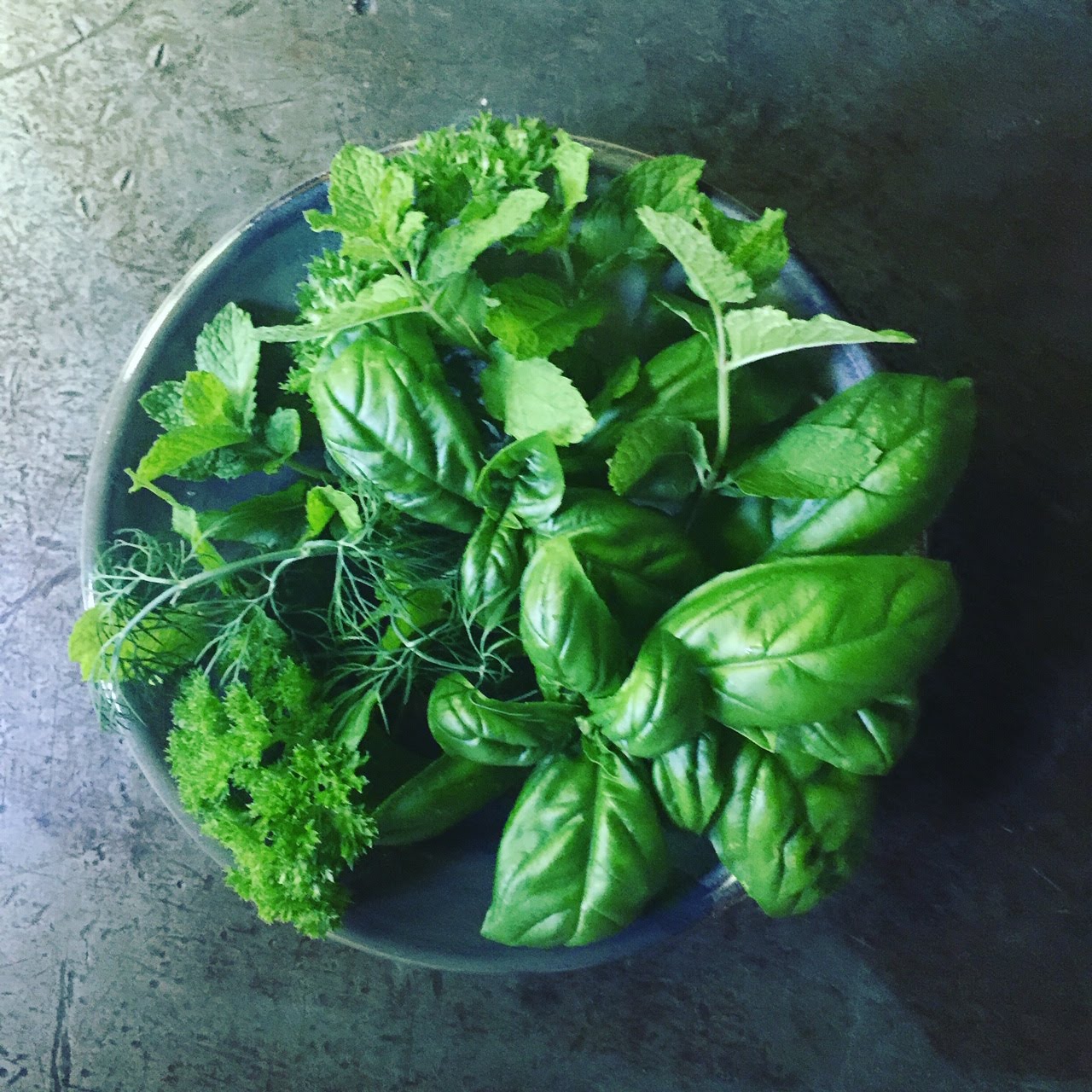
Container gardening is for everyone. As we all continue to observe the stay-at-home mandate, container gardening is something we can all do at home that will reap rewards all Spring and Summer long, as well as add some Zen to your life.
Getting outdoors and putting my hands into the dirt to prepare my container garden also signals the beginning of the spring and summer months. It is a renewal that we can all use right now. You don’t need a large plot of land or even a big backyard for container gardens. Some people prefer setting up small herb container gardens in their kitchen or on their front stoop, while others choose to have more robust container gardens on their decks and patios.
Our two previous posts talked about how we can incorporate greens and vegetables into our diets, as well as add unique flavor profiles with herbs and spices. Some of these vegetables and herbs can easily be grown at home.
Let’s look at what we need to get started (seeds vs starter plants, soil, etc), what plants give the best results, how to pot your plants to maximize growth, and how to harvest them to keep them growing all season.
Seeds vs Starter Plants for Container Gardens
There are two ways to begin your container gardening: seeding or purchasing starter plants.
If you are interested in starting from seeds, it is best to start your process in March to harvest spring plants, but there is still time to seed well into April and May for late Summer and Fall plants. The seeds will need time to grow into a stable plant so they can be transferred from the seedling pack to a container.
Many popular stores and websites, like Burpee, Terrain, or your local garden or hardware store, offer a large variety of seeds online. Another resource for plants I discovered during this stay-at-home period is B&H Organic Produce. They offer organically grown starter plants, available for pick up at three local Farmers Markets. In addition to plants, they provide a wonderful guide for planting your garden here.
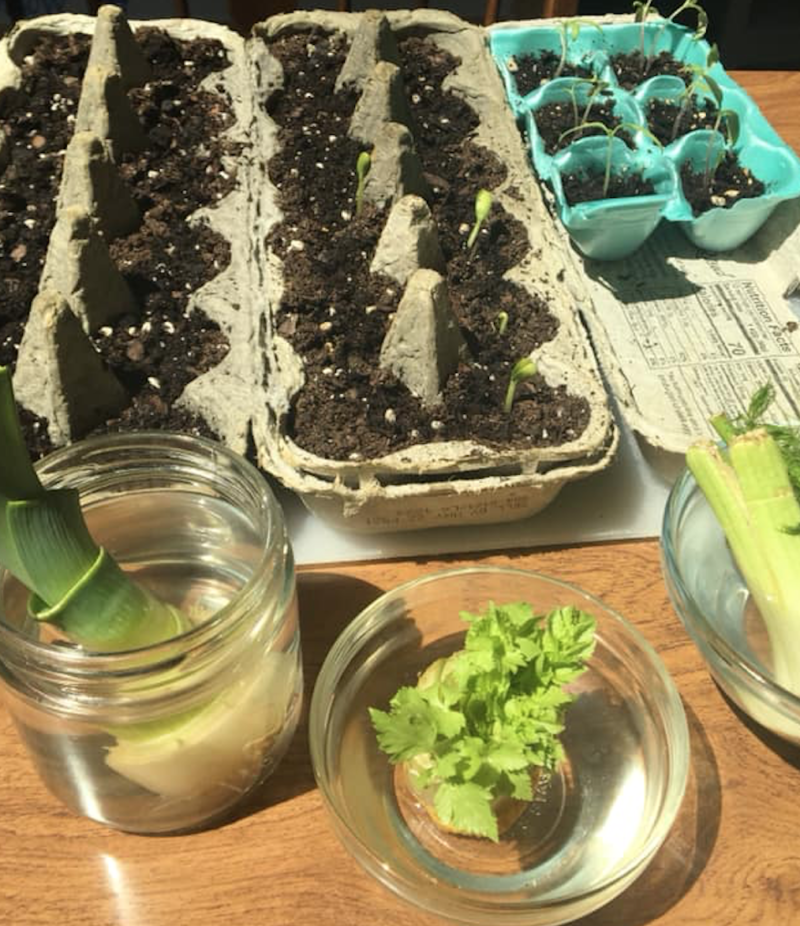
You can also collect seeds from your favorite vegetables throughout the year, saving them until you are ready to begin seeding, and saving the cost of new seed packets. Growing herbs at home is possible by rooting a new plant from the stem of a store-bought plant.
Supplies for Container Gardening
So, what do you need for your container garden? Supplies are fairly simple: your selection of plants, pots/containers with enough space for roots to grow, bags of potting soil; rocks for drainage (optional); and water.
We’ve mentioned a few places to get plants above, as well as how to start your own plants from seeds. For planters, soil and rocks, check out a store with a garden center. Goodwill online carries a decent selection of planters for those of you who prefer recycling, and you will probably save some money. You can also shop your local online Facebook Marketplace groups, to see where you can purchase recycled planters. If you are looking for some creative ideas, Etsy and Pinterest always have unique options for container gardens.
What Plants are Best for Container Gardening
Do you love kale salads? Your kids gobble up carrots and cucumbers at snack time? Is cilantro your go-to herb to add freshness to your recipes? What you plant depends on your personal preferences: which vegetables your family likes to eat, and what herbs you use most in cooking. Many people like to plant tomatoes, squashes, cucumbers, lettuces, and berries, along with a variety of herbs. Basil is one of my favorite herbs to plant, as I love pesto, and to me, it tastes much better when I make it from scratch with my home-grown plants.
There are several herbs that can pull double duty by naturally repelling certain insects from your container garden. Citronella, mint and rosemary plants keep bees and wasps at bay; lavender repels mosquitoes; and basil repels flies. This list from the FarmersAlmanac.com includes examples of flowering plants, like chrysanthemums, marigolds and petunias, that add color to your container garden space, while they protect your plants from unwanted pests.
Some other considerations when deciding what to plant are: how much sun your container garden will get throughout the day; how frequently you can water the plants; and what kind of animals may be able to get to your containers once the plants start bearing fruit.
How to Pot Your Container Garden Plants
Potting your plants starts with the correct soil and drainage. For container gardens, it is recommended to use potting soil vs soil from a pre-existing garden. Garden soil is dense and doesn’t allow air or water to move to the roots as easily as potting soil. Potting soil is also heat-treated before packaging to rid it of bugs, weeds and disease that garden soil may contain.
You also need to be aware of the spacing that is needed for each plant when selecting containers. A 10” pot can be used to grow leaf lettuce, bush beans, or Swiss chard, or, it can accommodate multiple carrot or turnip plants. Cabbage, collard greens, or multiple plants of dwarf sweet corn, peas, spinach or arugula grow best in 14” pots. An 18” pot holds broccoli, cauliflower, eggplant, pepper or tomato plants. And, 24” pots can accommodate cucumber, artichoke, summer squash or most tomato plants. For herbs, a good rule of thumb is to choose a pot at least (1/3) the mature height of the plant. (Look for this information on the plant tag or seed packet, or online if you are growing from home-collected seeds.)
How to Harvest Container Garden Plants
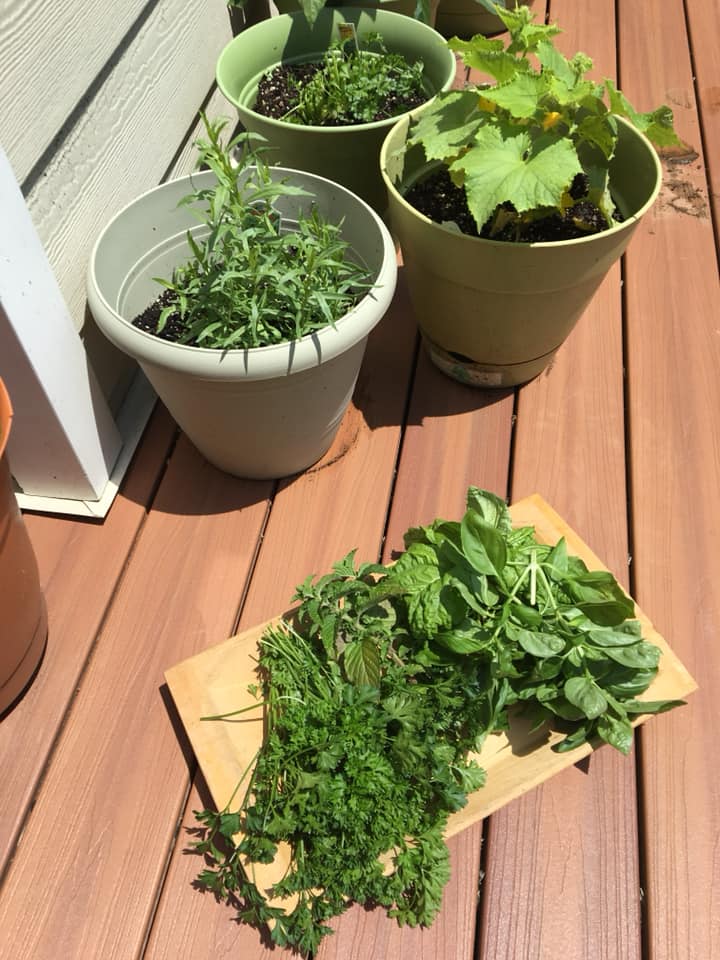
When you begin to harvest herbs, fruits or vegetables, it is good to have a colander, tray or some large bowl handy so you will avoid any damage to your produce while you pick what is ready.
The more you harvest your herbs, the more they will grow. For herbs that grow similar to shrubs, like basil and rosemary, simply snip individual branches to harvest. Leafy herbs like parsley and chives, are more productive when you clip the outer leaves and work inward. Pinching off growing tips during the season also spurs more branches, which eventually yields more leaves!
Vegetables will typically let you know when they are ready to harvest, if you watch them closely enough. Leafy greens, like lettuce and kale, are harvested much the same as leafy herbs. Start by cutting the outer leaves and work inward, leaving the center leaves to continue growing. The more you harvest, the more will grow. Tops of root vegetables will push above the soil, letting you know they are ready to be pulled. Vine vegetables, like peas, tomatoes, squash, eggplant and cucumbers, will be easy to twist off the vine when ready. It is best to harvest cauliflower and broccoli when the heads are firm and compact. Broccoli can yield a few more heads, but cauliflower will only produce one head per stalk. Morning is the best time to harvest your bounties from most plants. This post from SavvyGardener.com provides a good guide for when to harvest vegetables.
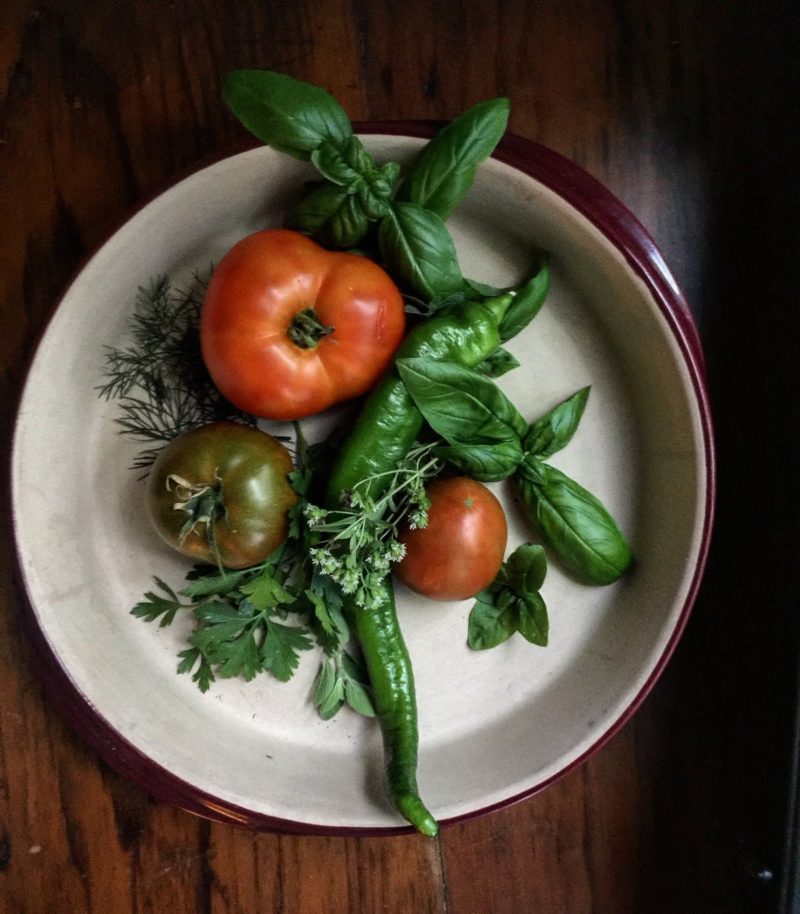
If you are looking for a wonderful Mother’s Day gift during quarantine this year, what could be a more thoughtful than the gift of container gardening. Gather small plants, and herbs, a few pots and some soil. Your mom will be thrilled to have fresh garden treats right outside her door.
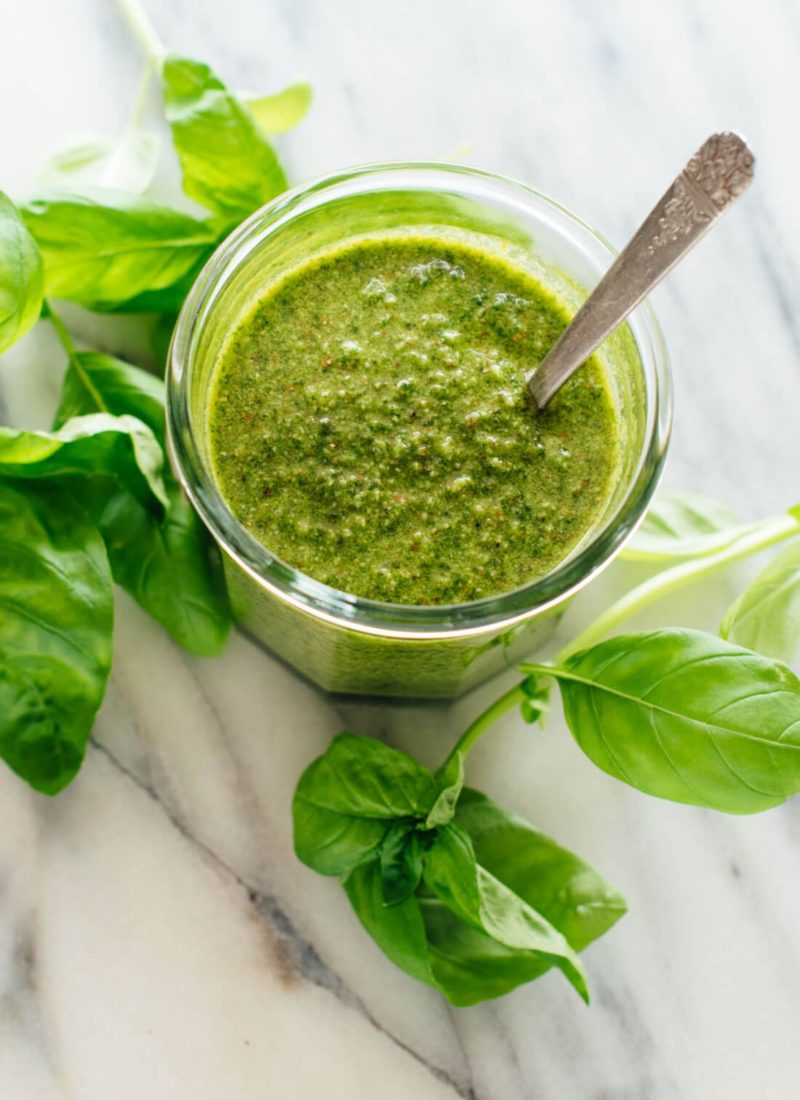
Here is my favorite pesto recipe:
- 2 cup(s) basil, fresh chopped
- 1/2 cup(s) olive oil
- 2 tablespoon(s) pine nuts (alternate: walnuts)
- 2 garlic clove minced
- 1 teaspoon(s) salt
- 1/2 cup(s) Parmesan cheese grated
Cooking Instructions Combine the basil, pine nuts, and garlic in the food processor and blend, scraping down the sides occasionally until well blended. Add olive oil, a little at a time, until pesto starts to liquify. Add Parmesan cheese until all is well blended. Salt to taste. Store in a container in the refrigerator.
Note: Basil pesto is a summer sauce that, if frozen, can also be used in the winter. The best way I’ve found is freezing mine in ice cube trays for ease of use and just the right portion. When freezing the basil pesto sauce, do not add the Parmesan (you can add this ingredient when you thaw the sauce and are ready to use it).
Like or Follow Secret Ingredient on Facebook and Instagram, and be sure to ask Chef Chris about her favorite dishes to make with produce from your garden.
Stay healthy,